


Winter motorhome travel in Canada: is it possible? Vehicles, parking and budget

Travelling in a RV during winter in Canada takes careful planning. While prior motorhome experience and confidence in winter conditions are strongly recommended, it is still entirely doable for first-timers.
Before you set off, take time to gauge your comfort level and prepare for the realities of winter driving, managing your vehicle's off-grid capabilities and finding somewhere to park.

1. Is a winter motorhome trip to Canada for you?
Travelling in a RV during winter in Canada is an unforgettable adventure if you are well prepared. Having driven larger vehicles before and feeling comfortable on snowy roads is a distinct advantage, but it is not essential. The key is anticipating the unique challenges of winter driving, vehicle autonomy and parking availability.
🌡️ What to keep in mind before you go
Hitting the road in a RV through the snow comes with a few things to watch out for:
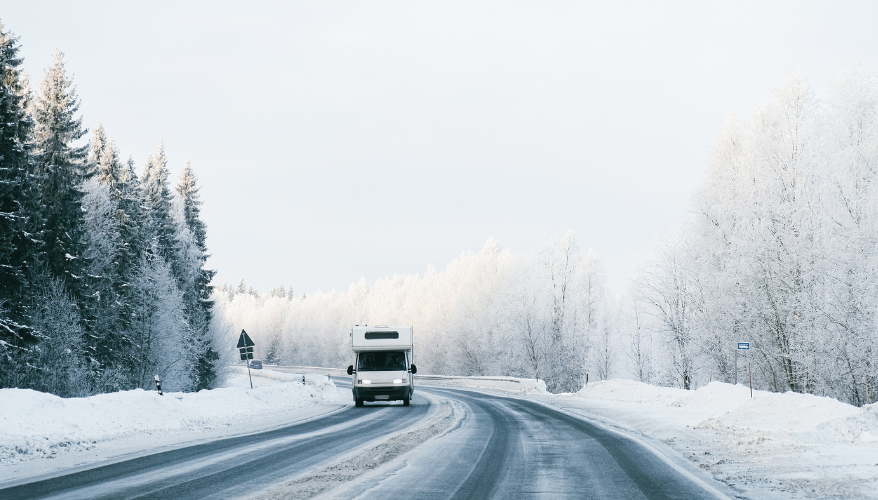
- Snow-covered or icy roads: stopping distances increase and certain routes may close temporarily.
- Sub-zero temperatures: heating, batteries and propane supplies need regular monitoring.
- Fewer open services: many campsites close for the winter, meaning limited access to electricity, water and dump stations.
- Shorter days: it is best to plan your driving for daylight hours and leave yourself a buffer in case of delays.
If you are used to driving motorhomes but have never tackled snow, make sure you are confident behind the wheel before booking.
🚐 Driving a RV in winter
Given the demands of winter driving, you really need some prior motorhome experience before taking on a Canadian winter trip.
At Authentik Canada, our recommended winter model is the CanaDream MHA, which measures between 8.5 and 9.4 metres long. A vehicle of this size handles very differently from a standard car, especially when the roads are slick or visibility drops.
"I strongly recommend that you are already familiar with the dimensions, handling and systems of a RV. If this is your first time, take the time to prepare properly and make sure you feel completely at ease with this type of vehicle." Marylène Fauvelle, Chief Operating Officer (LinkedIn)
Another crucial factor is choosing a vehicle genuinely built for sub-zero temperatures.
2. Which RV should you choose for a Canadian winter?
To travel in a RV during the Canadian winter, you need a model fully equipped for extreme cold, not just a standard "winterised" vehicle. At Authentik Canada, we recommend the CanaDream MHA, subject to availability.
❄️ A winterised motorhome is not necessarily ready for winter
There is a big difference between the two.
A winterised vehicle usually has its water systems drained to prevent freezing. In this state, you cannot use the sink, shower or toilet normally.
A RV equipped for winter use, such as the CanaDream MHA recommended by Authentik Canada, features specific installations designed to keep everything running smoothly even in freezing weather.
🏡 The CanaDream MHA: a chalet on wheels
The Maxi Motorhome MHA measures between 8.5 and 9.4 metres long and sleeps up to 4 adults and 2 young children, depending on the bed layout.
Key winter features include:
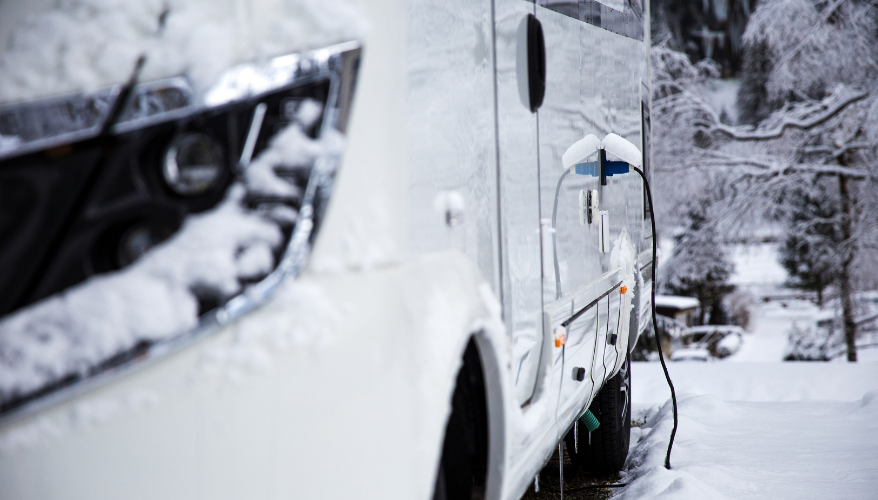
- Insulated and heated holding tanks, allowing you to use running water, the shower and the toilet down to -30 °C, provided you follow the rental company's guidelines.
- A 30,000 BTU furnace, designed to keep the interior warm and comfortable.
- Four auxiliary batteries and a generator, to help maintain your off-grid power supply.
- Insulated window covers and curtains, to reduce heat loss.
- Winter bedding, including fleece sheets and a warm duvet.
Having these features does not mean the vehicle can run indefinitely without a top-up; you still need to keep a close eye on your resources.
📍 Where and when can you hire the MHA in winter?
For winter rentals, CanaDream generally offers pick-ups from November to March in the following cities:
- Montreal
- Toronto
- Halifax
- Calgary
- Edmonton
- Vancouver
Exact dates may vary from one season to the next. These 6 cities are also available as drop-off locations, subject to booking conditions and availability.
UK and international travellers do not need a special licence to drive this RV. A valid driving licence from your home country is sufficient, provided you are at least 21 years old and meet the rental terms. An International Driving Permit is recommended if your national licence is not in English or French.
In Quebec, motorhomes are exempt from the mandatory winter tyre law between 1 December and 15 mars. However, this exemption does not guarantee sufficient grip on snow and ice. Always check the regulations for the provinces you are driving through and follow your rental company's advice.
Book an appointment with a local advisor
They are here to listen and help you realize your dreams.
Book an appointment
3. How many days should you go for a winter motorhome trip to Canada?
For a first winter road trip in a RV, we recommend a stay of at least 7 nights with minimal driving. This gives you time to find your feet on board and enjoy the winter activities without turning every single day into a long drive.
This also matches the minimum rental period for the MHA with Authentik Canada. Depending on how long you stay, you may also be eligible for winter discounts.
🗺️ Focus on one region rather than a huge route
In winter, it is far better to explore a single region at a relaxed pace than try to cross multiple provinces.
- For instance, starting from Montreal, you could base yourself around the Laurentians and enjoy winter activities without spending hours behind the wheel every day.
- Setting off from Quebec City, the Charlevoix region also offers stunning snow-covered landscapes and plenty of winter outings, provided you check local road and parking access.
"I suggest staying 2 or 3 nights in the same spot, ideally close to the activities you have planned. That way, you avoid having to pack up and drive your RV every morning just to go skiing or snowshoeing." Marylène Fauvelle, Chief Operating Officer (LinkedIn)
⏰ Leave yourself a buffer day
A storm can easily force you to delay a drive, which is why keeping a rigid schedule is rarely a good idea.
By planning fewer miles and leaving more time to stay put, you can adapt your days to the weather without feeling like you are spending your holiday behind the wheel.
4. Where to park your RV in winter in Canada
In winter, you can park your RV at selected year-round campsites, such as Tunnel Mountain Village II in Banff, or at a few ski resorts, like Mont Sutton in Quebec. Since options are more limited than in summer, make sure to check the rules and book your pitch in advance.
🏕️ Campsites open in winter
Not all campsites that stay open during the colder months accept RV, and some offer only a limited number of services.
Before you book, check that:
- The campsite accepts RV during your travel dates.
- Pitches are cleared of snow and accessible for a vehicle the size of your motorhome.
- Electricity is available, if you need it.
- Sanitary facilities and dump stations are open.
- Late arrivals are permitted, if necessary.
🎿 Ski resorts that welcome RV
Some resorts allow you to sleep in your RV in a designated car park, while others only permit daytime parking.
Here are a few examples:
- Stoneham, Quebec: marked overnight parking for self-contained vehicles, with no hook-up.
- Mont-Sainte-Anne, Quebec: overnight parking available without services, depending on resort conditions.
- RED Mountain Resort, British Columbia: overnight parking for self-contained motorhomes, with advance booking and specific conditions to check.
These options can change depending on the weather, snow clearing or decisions made by the operators.
💤 Can you sleep anywhere in a RV ?
No, parking a RV does not necessarily mean you are allowed to spend the night there. Rules vary depending on the local council, parks and private properties.
💡 Good to know: in winter, snow-clearing operations can lead to extra restrictions. It is best to plan your overnight stops ahead of time and keep a backup plan in mind.
5. What budget should you expect for hiring a RV in winter ?
As a rough guide, budget between $150 and $350 CAD per night for motorhome hire in Canada.
| Length of stay | Estimated hire budget |
|---|---|
| 7 nights | $1,050 to $2,450 CAD |
| 10 nights | $1,500 to $3,500 CAD |
| 14 nights | $2,100 to $4,900 CAD |
These estimates vary depending on your dates, departure city, length of stay and vehicle availability. They do not necessarily include taxes, optional insurance cover, fuel or extra fees.
To find out the exact price of the motorhome, run a quote on Authentik Canada using your dates and departure city.
⛽ What extra costs should you add to the hire price ?
To work out your overall budget, remember to include:
- Fuel: a RV of this size uses more petrol than a car.
- Propane: heating will work overtime when temperatures drop.
- Parking and campsites: costs depend on the facilities and location.
- Extra miles: check the charges if you go over your included mileage allowance.
- Optional insurance cover: this can noticeably change the final price.
- Activities: lift passes, snowshoe hire or guided excursions.
As a benchmark, CanaDream lists optional protection packages for 2027 at $33 CAD or $48 CAD per night, depending on the level of liability reduction you choose. These are optional extras and do not reflect the hire rate of the RV.
👛 How to keep costs down ?
To keep your budget under control, here are a few tips:
- Keep your road trip short: fewer miles mean less fuel and more time for activities.
- Compare hire durations: look at the total cost of the trip rather than just the price per night.
- Take advantage of winter deals (up to 20% off): discounts vary depending on the length of your stay.
The winter offer may also include a kitchen kit, bedding for each traveller and an allowance of 500 km per booking. These offers are subject to conditions and may vary depending on your dates.
👉 Check out all our special offers with Authentik Canada to see what is available.
💰 How much does motorhome hire cost ?
As a rough guide, expect to pay between $150 and $350 CAD per night for a RV in Canada.
To give you an idea, here is what that range looks like for different trip lengths:
| Length of stay | Estimated hire budget |
|---|---|
| 5 nights | $750 to $1,750 CAD |
| 7 nights | $1,050 to $2,450 CAD |
| 10 nights | $1,500 to $3,500 CAD |
These figures are simple estimates based on the $150 to $350 CAD per night price range. They are not official motorhome rates and do not necessarily include taxes, optional insurance cover, fuel or extra fees.
To find out the exact price of the motorhome, I recommend running a quote on Authentik Canada with your dates and departure city.
6. How to prepare for a winter road trip in a RV ?
To travel with peace of mind in a RV during a Canadian winter, you need to check road conditions daily, keep an eye on heating and water supplies, pack cold-weather gear and stay flexible.
❄️ Check the weather and road conditions
Before every drive, check the forecast and official travel alerts:
- Québec 511, for roads in Quebec.
- Alberta 511, for conditions in Alberta.
- DriveBC, for roads in British Columbia.
If heavy snow, poor visibility or black ice is forecast, it is best to postpone your journey.
Also aim to arrive at your pitch before dark, especially when exploring an area for the first time.
⚡ Monitor your heating, electricity and water
When travelling in a winter RV, your comfort relies on a few essential systems.
- Propane: regularly check your heating reserves.
- Batteries: keep an eye on charge levels, particularly when parked without hook-ups.
- Water: follow the rental company's guidelines regarding tanks and operating temperatures.
- Waste water: track down open dump stations before your tanks fill up.
- Generator: only use it in line with the rental company's safety instructions and local campsite rules.
A vehicle rated for temperatures down to -30 °C still requires careful resource management.
🧤 packing the right gear
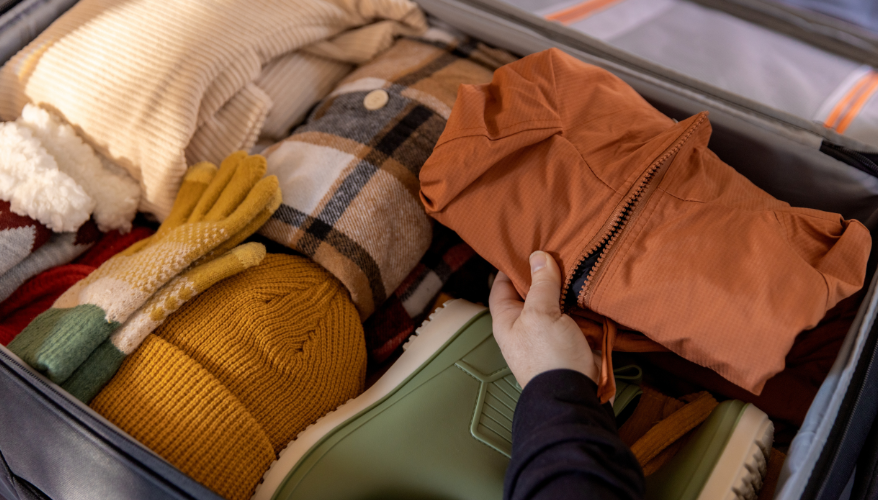
To stay comfortable throughout your trip, pack:
- Thermal underwear and plenty of warm layers.
- A winter coat suited to the expected temperatures.
- Waterproof boots with good grip.
- Gloves, a beanie and warm socks.
- A headtorch for the shorter days.
- Provisions and an emergency water supply tailored to your route.
- A charged phone and a backup power bank.
It is also worth checking which accessories are already provided by CanaDream to avoid packing duplicates.
⚠️ knowing your limits behind the wheel
On snow-covered roads, sticking to your itinerary at all costs is never the priority.
Slow down, increase your stopping distances and avoid driving when conditions turn challenging.
If you feel out of your depth behind the wheel, stop. It is always better to pull over and wait out the weather than take unnecessary risks.
My verdict: is a winter motorhome trip in Canada worth it?
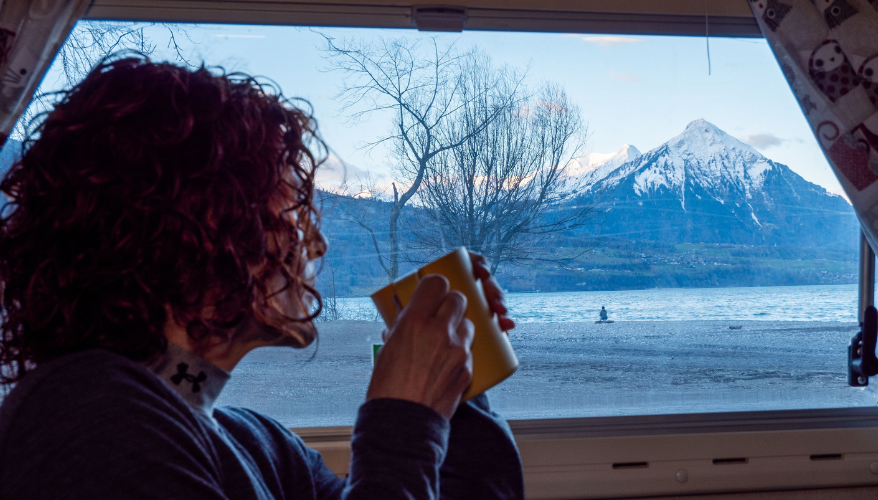
What I love about this way of travelling is the freedom it gives you: waking up to snow-covered scenery, sipping your morning coffee in the warmth and experiencing the Canadian winter at your own pace.
However, I recommend having some previous RV experience before attempting a winter road trip.
If you are a complete beginner but keen for the adventure, take time to do your research and chat with an expert to see if your plans are realistic.
And if you are already comfortable driving a motorhome in winter conditions, this is a fantastic opportunity to see a different side of Canada.
Would you be up for a RV adventure in the snow? Let us know in the comments.


About the author
![Marylène Fauvelle]()
Marylène Fauvelle
Montreal, Quebec
I’ve been with Authentik since 2007, so I’ve seen plenty of travellers come and go… and worn quite a few hats along the way! From sales to operations, with many different roles in between, I’ve gained a unique understanding of Authentik and the world of travel. Now, I’m trying my hand at blogging to share some of the experience I’ve picked up over the years.

I’ve been with Authentik since 2007, so I’ve seen plenty of travellers come and go… and worn quite a few hats along the way! From sales to operations, with many different roles in between, I’ve gained a unique understanding of Authentik and the world of travel. Now, I’m trying my hand at blogging to share some of the experience I’ve picked up over the years.


Leave a comment
Répondre à: -
delete my replyYour e-mail address will not be shared