


When to visit Eastern Canada: climate and temperatures

 LinkedIn
Planning a trip to Eastern Canada? One question always comes up: when is the best time to go?
Between Québec and Ontario, the seasons are clearly defined, and each one offers a completely different experience. Long, sunny days by the lakes in summer. Striking autumn colours. Snow covered landscapes in winter that feel almost magical. Every season has its strengths.
In this guide, we help you see things clearly so you can choose the right time to travel based on your plans, your pace, and what you are looking for.
Climate in Eastern Canada: what you need to know
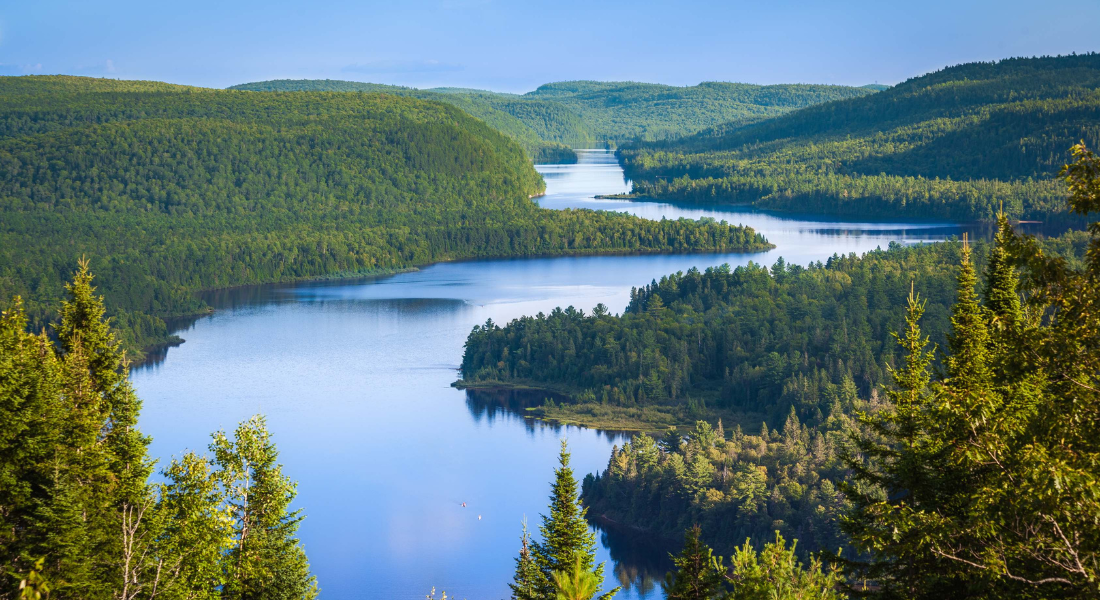
Eastern Canada, particularly Québec and Ontario, has a continental climate. In simple terms, that means clear contrasts between the seasons, with significant temperature swings throughout the year.
To give you a clearer picture, here is a month by month overview of average temperatures, precipitation levels, and our travel verdict.
🟢 Best overall 🟡 Very good depending on your travel style 🟠 Worth considering, with some limitations
| Month | Max temperature | Min temperature | Precipitation | Travel verdict |
|---|---|---|---|---|
| January | -7°C | -16°C | 88 cm | 🟡 Ideal for a true Canadian winter experience |
| February | -6°C | -15°C | 68 cm | 🟡 Perfect for winter activities |
| March | 0°C | -8°C | 49 cm | 🟠 End of winter, conditions can vary |
| April | 8°C | -1°C | 57 mm | 🟠 Transition period, snow melting |
| May | 17°C | 6°C | 78 mm | 🟡 Nature returns, though the weather can be unpredictable |
| June | 23°C | 12°C | 93 mm | 🟢 Excellent balance between weather and visitor numbers |
| July | 25°C | 15°C | 101 mm | 🟢 Peak season with ideal conditions |
| August | 24°C | 13°C | 103 mm | 🟢 Very pleasant and slightly less busy |
| September | 19°C | 9°C | 90 mm | 🟢 One of the best times to travel |
| October | 12°C | 4°C | 85 mm | 🟡 Ideal for autumn colours |
| November | 3°C | -3°C | 33 cm | 🟠 Quiet period between seasons |
| December | -5°C | -12°C | 78 cm | 🟡 Start of winter with a magical atmosphere |
👉 In short: June to September offers the most straightforward travel conditions, while winter delivers a truly unique experience, provided you are well prepared.
Eastern Canada is vast, and conditions can vary from one region to another. It is worth checking the weather for each stop along your route.
Book an appointment with a local advisor
They are here to listen and help you realize your dreams.
Book an appointment
When to visit Québec and Ontario by season
Summer (June to August)
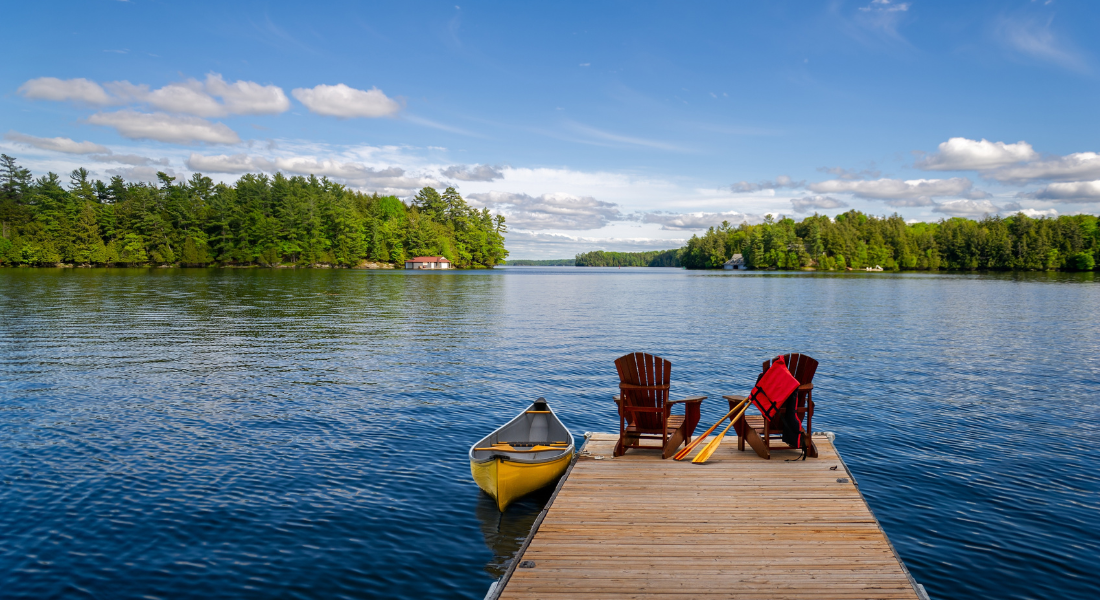
Summer is the most popular time to travel in Eastern Canada. Days are long, all activities are available, and temperatures are comfortably around 25°C, often climbing to 30 or even 35°C. Who said you cannot get a tan in Québec?
It is the perfect season to make the most of the great outdoors and experience the variety of landscapes, from vibrant cities to forests and coastal regions.
Must do experiences:
- Whale watching in Tadoussac
- Canoeing and swimming in lakes and rivers
- Exploring national parks such as Mauricie, Gaspésie and the Saguenay Fjord
- Enjoying festivals in Montréal and Québec City
This is an excellent time for a first trip to Canada, for families, and for travellers looking to explore several regions in one road trip.

Autumn (September to November)
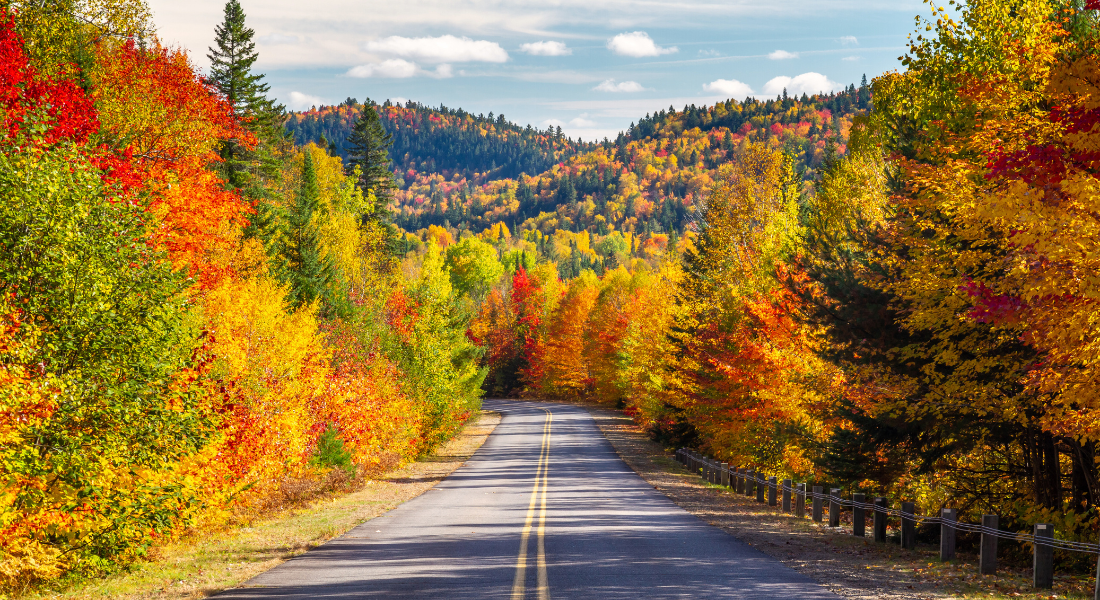
Autumn is arguably the most spectacular season to discover Eastern Canada. From mid September onwards, the forests gradually transform into a striking display of reds, oranges and golden yellows.
September and October are particularly recommended to experience Indian summer, with mild and pleasant temperatures, especially at the start of the season.
Must do experiences:
- Admiring the colours in the Laurentians, Charlevoix or La Mauricie National Park
- Driving along Québec’s scenic routes
- Making the most of hiking in the great outdoors
- Exploring small villages and their local markets
This is an ideal season for nature lovers, couples, photographers, and travellers looking for a quieter, more immersive road trip.
💡 November is a transition month: the leaves have fallen, the landscapes feel more subdued, and the weather becomes more unpredictable. That said, it is a great time to experience cities such as Montréal and Québec City in a more local atmosphere, as Christmas decorations and markets begin to appear.
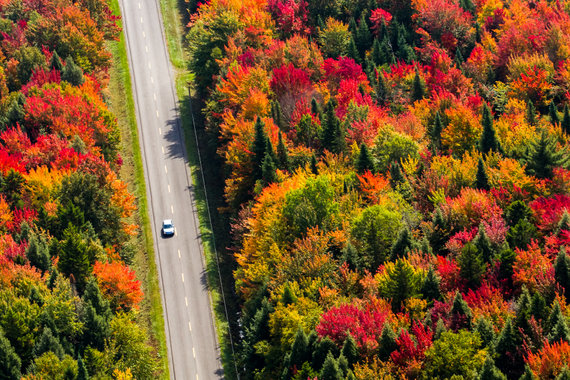
Winter (December to March)
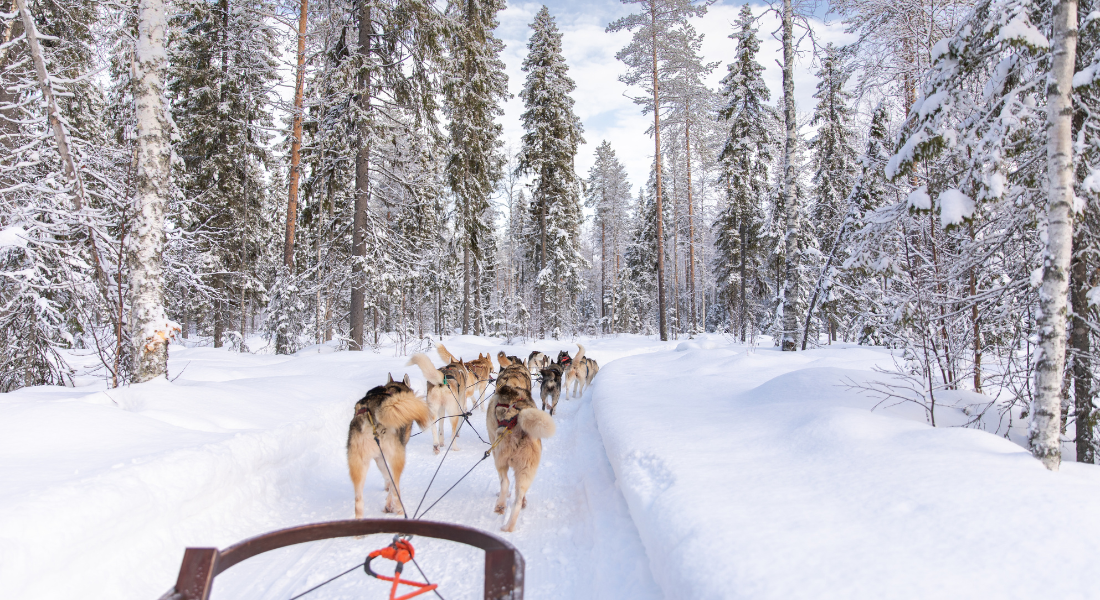
Winter in Eastern Canada completely transforms the landscape. Forests are blanketed in snow, lakes freeze over, and the whole atmosphere feels almost magical, like something out of a postcard.
Although temperatures range from -5°C to -20°C, the experience is truly unique. The cold is generally dry, which makes it far more manageable than you might expect. For example, -10°C in Québec can feel similar to 0 or 5°C in more humid climates. With the right clothing, it is absolutely manageable.
Must do experiences:
- Dog sledding through snowy forests
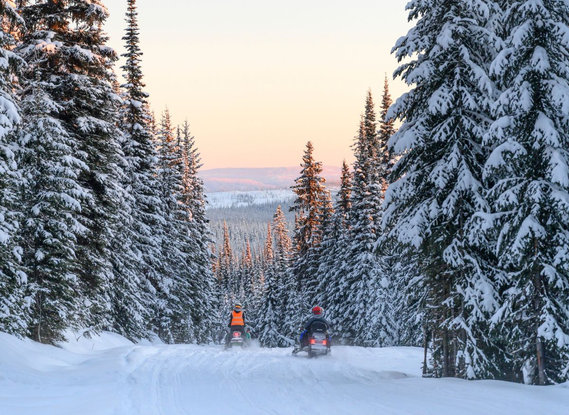
- Snowmobiling across miles of trails
- Exploring the landscapes on snowshoes
- Staying in a chalet or nature based accommodation
- Visiting the Ice Hotel near Québec City
This is the perfect season for a fully immersive winter experience, ideal for discovering a wilder side of Canada and venturing off the beaten track.
Spring (April and May)

Spring is a season of transition in Eastern Canada. Snow gradually melts, nature comes back to life, and temperatures begin to rise, typically ranging from 5 to 15°C, with changeable weather.
At this time of year, it is too mild for winter activities, yet still a little cool to fully enjoy summer ones. However, it is an excellent time to explore cities such as Montréal, Québec City, Toronto and Ottawa, which feel more local and are often more affordable.
Must do experiences:
- Discovering the atmosphere of sugar shacks
- Enjoying nature coming back to life in the parks
- Exploring the cities without the crowds
This season suits flexible travellers, city break enthusiasts, and those looking for a good value option.

Whatever time of year you choose, Eastern Canada offers a very different experience from one season to the next. From long summer days to the striking colours of autumn, the magic of winter, and the quieter pace of spring, each season has its own appeal.
What matters most is choosing the time that best fits your travel plans and what you are looking for. And if you are still unsure, our advisors are on hand to help you build a tailor made itinerary.
And you, which season would you choose for a trip to Eastern Canada? Share your thoughts in the comments below the FAQ.
FAQ
What is the best time to visit Quebec?
When can you see the fall colors in Quebec?
What is the hottest month in Eastern Canada?


About the author
![Mélaine Poirier]()
Mélaine Poirier
Passionate about content creation as much as travel, I love turning my experiences on the road into practical tips and stories that inspire others to explore. At Authentik, I use my creativity and content marketing expertise to inspire travellers and help them plan their next adventure. And when I’m not behind my screen, you’ll probably find me kayaking on a lake, hiking a trail, or at the top of a mountain with my camera in hand.

Passionate about content creation as much as travel, I love turning my experiences on the road into practical tips and stories that inspire others to explore. At Authentik, I use my creativity and content marketing expertise to inspire travellers and help them plan their next adventure. And when I’m not behind my screen, you’ll probably find me kayaking on a lake, hiking a trail, or at the top of a mountain with my camera in hand.
 Instagram


Leave a comment
Répondre à: -
delete my replyYour e-mail address will not be shared