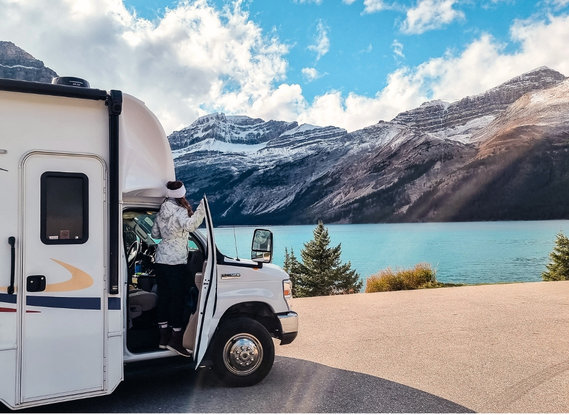
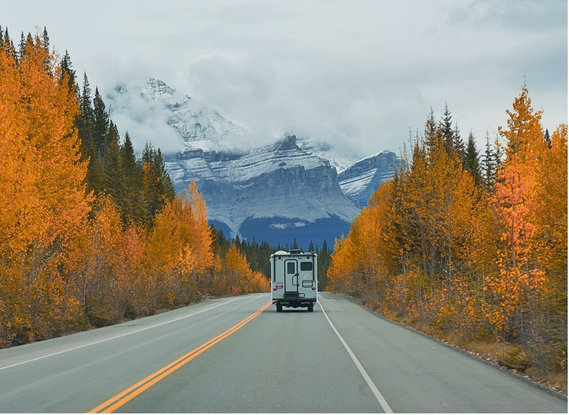
Renting an RV in Canada in April, May, September, or October is an excellent way to discover the country outside of the peak tourist season. However, when temperatures drop below freezing, it’s important to take a few precautions to fully enjoy your RV road trip in Canada.
Check the weather before and during your trip
Conditions can change quickly in Canada. Even in spring or fall, regions such as the Rockies, the Saguenay Fjord, the Laurentians, or Charlevoix can experience cold nights and even early or late snowfalls. Regularly checking the local weather forecast will help you adjust your itinerary and travel safely. The Weather Network is an excellent reference.
Keep a comfortable temperature inside the vehicle
Choosing the right RV rental in Canada is essential for traveling in colder months. Many recent models include heating, allowing you to maintain a cozy temperature inside while protecting the vehicle’s plumbing from freezing issues.
Water and tank management
When temperatures drop below freezing, water left in the RV tanks or plumbing can freeze and cause problems during your trip.
To avoid issues:
- Avoid keeping your tanks completely full during freezing conditions. If very cold weather is expected, empty them as a precaution.
- Limit the use of the toilet, shower, and sinks when temperatures remain below zero.
- Bring bottled water for your daily needs (drinking, cooking, hygiene).
These simple actions will help you enjoy your RV rental in Canada without worry, even on chilly nights. Keep in mind that if damage occurs due to freezing, it may be considered negligence and your insurance could refuse coverage.
Safe driving
In Canada, roads can become slippery in case of freezing temperatures or sudden snowfall. Always drive with caution, reduce your speed, and avoid long night drives when conditions are uncertain.
Tires and regulations
- Québec: From December 1 to March 15, all rental vehicles are equipped with mandatory winter tires.
- British Columbia: Winter tires are required in certain regions from October 1 to March 31.
- Elsewhere in Canada: Winter tires are recommended but not mandatory.
Outside of these dates, most RVs are fitted with all-season “Mud and Snow (M+S)” tires, which are generally sufficient for traveling in the shoulder seasons.
Why rent an RV in Canada in April, May, September, or October?
Quite simply because there are fewer crowds in the campgrounds and national parks. You’ll also enjoy spectacular landscapes: vibrant maple trees in the fall and blooming nature in the spring. And let’s not forget that prices are often more affordable than in the peak summer season.
Use our RV comparison tool in Canada to quickly find the vehicle that best suits your travel style, no matter the season.