


Indian summer in Canada: 5 things to know before you go

You dream of discovering Quebec under its most beautiful autumn coat? Indian summer promises you a breathtaking natural spectacle where the forests are adorned with bright red, orange and yellow.
This magical period, which generally stretches from mid-September to mid-October, transforms La Belle Province into a true masterpiece. Between mild temperatures and blazing landscapes, Indian summer offers ideal conditions for exploring Quebec’s great outdoors far from summer crowds.
When exactly should you go? What should you pack in your suitcase? Where can you see the most beautiful colors?
Here are 5 essential things to know to plan your trip to Quebec and fully enjoy this exceptional season in Quebec.
1. When to go to Canada to enjoy Indian summer?
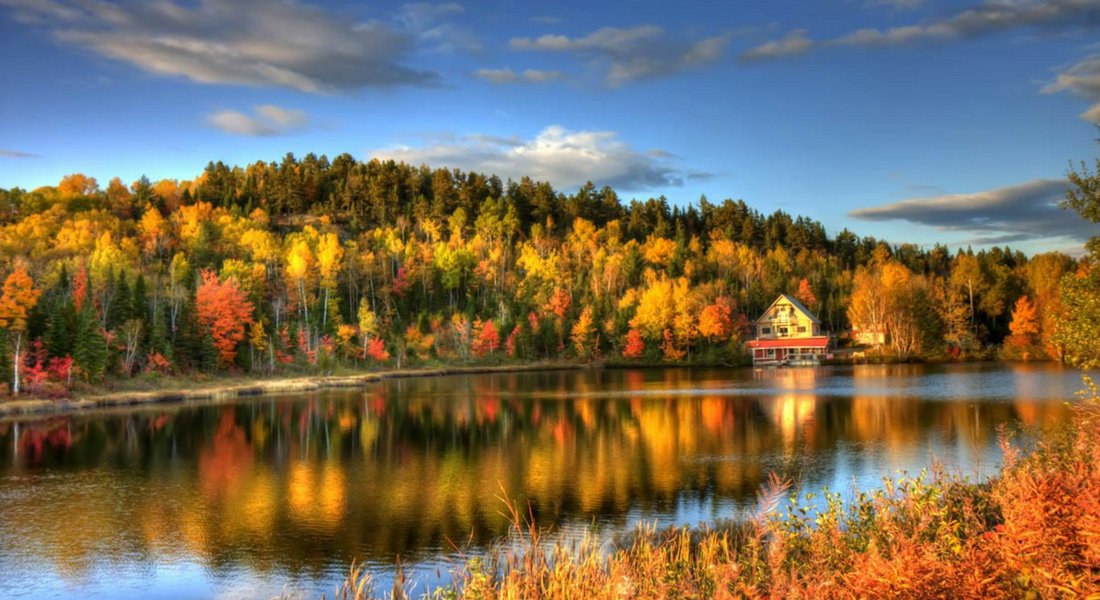
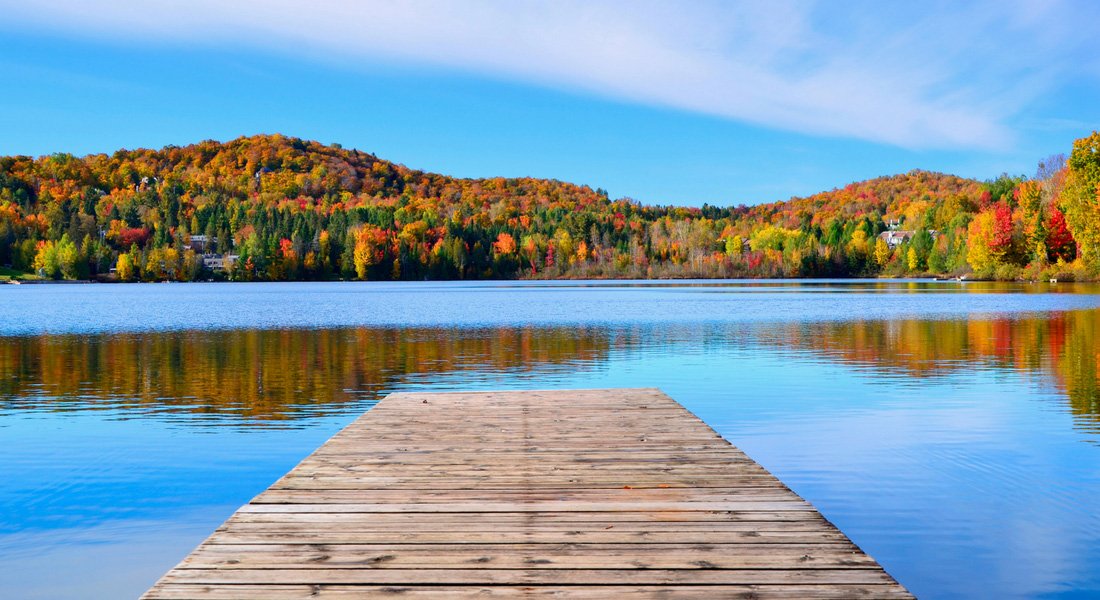
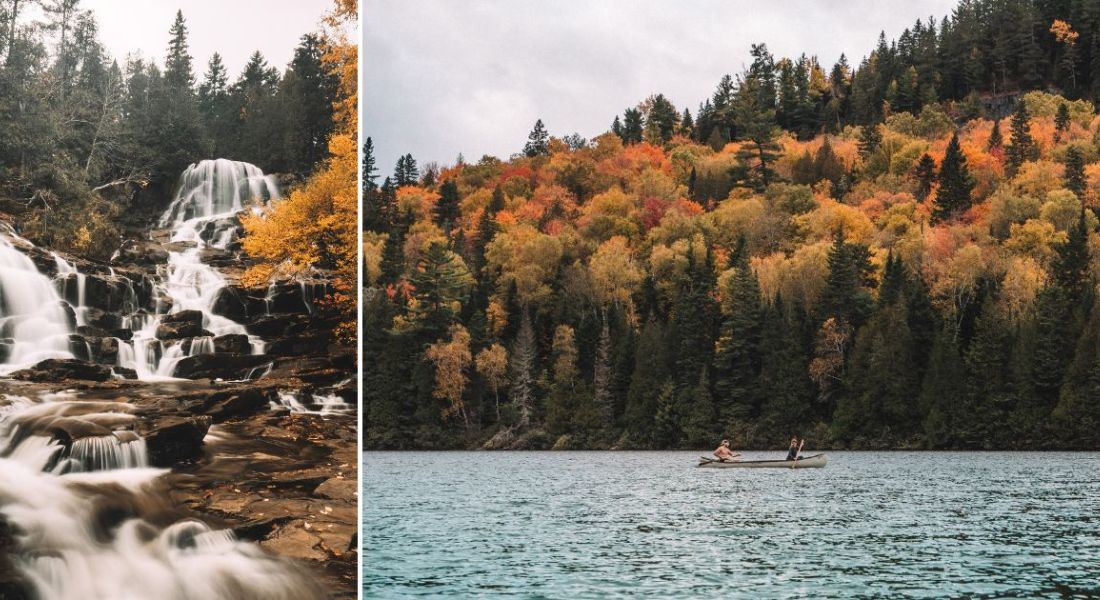
When we talk about Indian summer in Canada, we immediately picture vivid landscapes, blue skies, and a cabin by the lake.
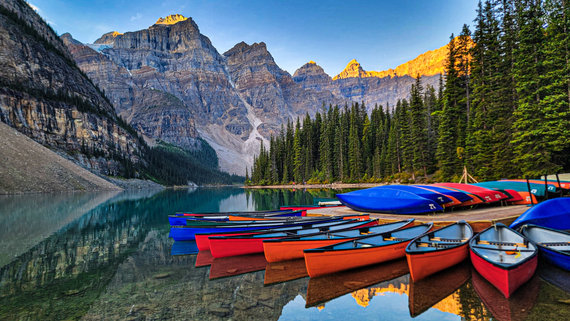
There’s often even a dock with canoes waiting patiently to go out on the water for a few hours before heading back to the fire with a good hot chocolate. This is actually one of our favorite activities to enjoy Indian summer (canoeing, not hot chocolate by the fire—well, maybe...).
In short, it’s very cliché but perfectly captures the spirit of this season we love so much.
It can vary from year to year but on average, the peak of colors appears from October 1st to 15th.
The deciduous trees start turning red from mid-September. By early November, all the leaves have fallen to make way for winter.
In practical terms, if you want to enjoy Indian summer, plan to travel between September 20th and October 20th.
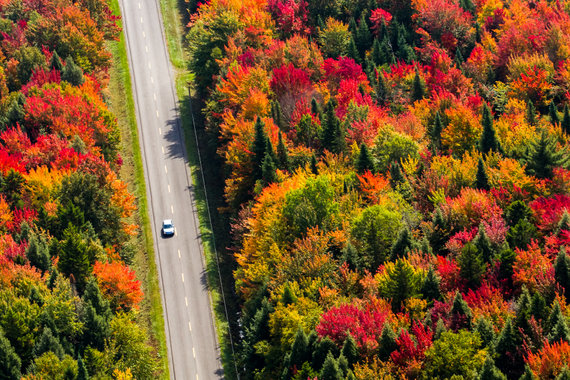
2. What weather to expect in Canada in the fall?
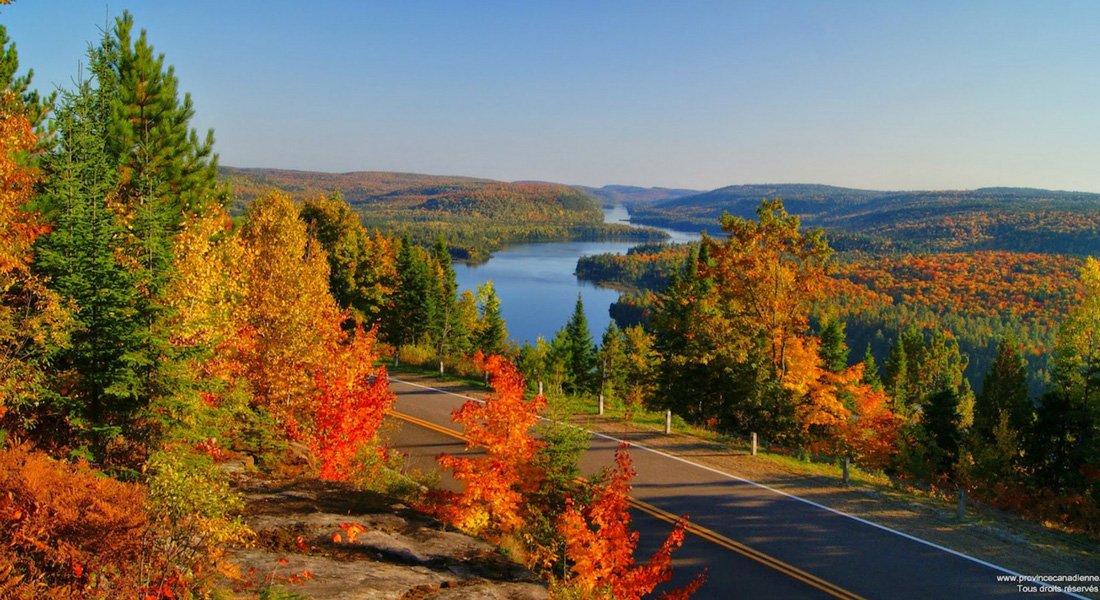
We often have very pleasant temperatures during Indian summer, but evenings and nights are cool.
Here are the average temperatures for September and October in Montreal:
September:
- Average minimum temperature: 9°C
- Average maximum temperature: 20°C
October:
- Average minimum temperature: 3°C
- Average maximum temperature: 13°C
When it comes time to plan your road trip to discover Indian Summer, note that in the regions (Lac St-Jean, Saguenay, Charlevoix, etc.), it can be up to 5 degrees cooler. Sometimes, the first snow of the season falls as early as late October.
In Ontario, temperatures are about the same as in Montreal.
3. What to wear?
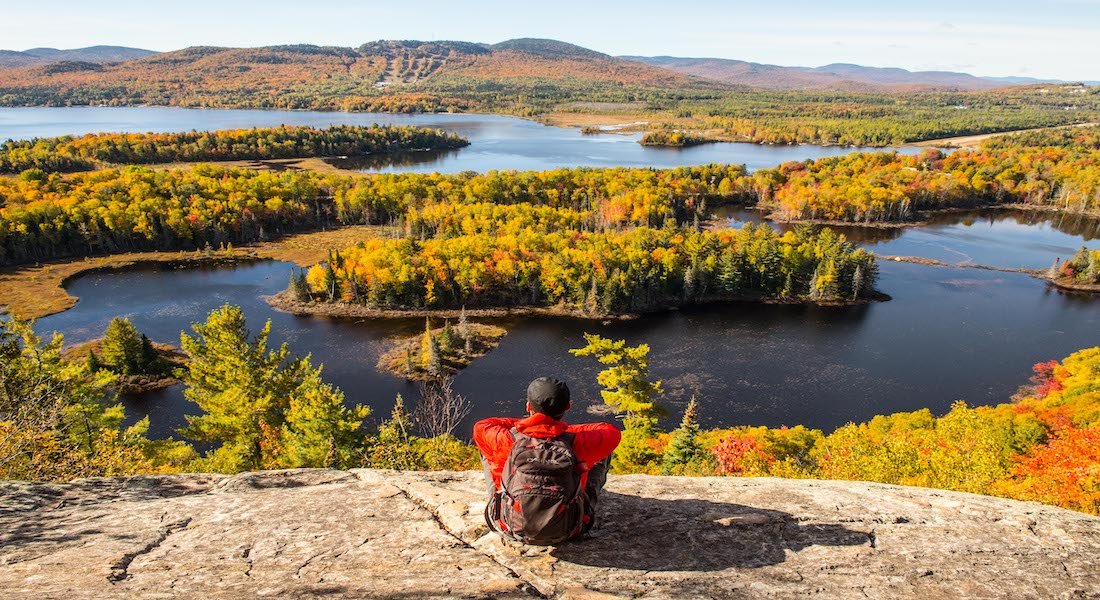
As you might have noticed, temperatures can be cool during Indian summer, so remember to pack warm clothes.
A windbreaker is a must to protect you from wind and rain. Combined with a fleece jacket, you’ll be all set to comfortably enjoy all the beauties of this season.
I also recommend bringing light gloves and a wool beanie for colder days, especially evenings. Wool socks wouldn’t be a luxury either.
Lastly, if you have hiking boots, don’t hesitate to bring them. Hiking is one of the best activities to enjoy Indian summer.
TOP 3 best road trips during Indian Summer
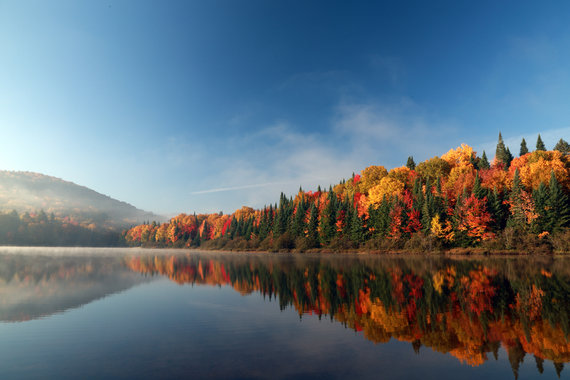
4. Where to go during Indian summer?
Before winter, deciduous trees (maples, birches, beeches) stop producing chlorophyll, revealing yellows, oranges, and reds. Conifers, on the other hand, stay green all year round.
The further south you go in Quebec, the greater the proportion of deciduous trees ... the more intense the show.
Vary the hours: morning gives soft hues and a veil of mist, while late afternoon warms the palette with deeper oranges. Alternate scenic drives and trails: start with a drive for the overall view, then follow up with a short hike to capture the details.
Among the best places to see Indian summer colors, the Eastern Townships region is THE must-see destination.
Best spots to choose
- Eastern Townships: between country roads, vineyards and charming villages, this is where the reds and golds are at their most dramatic.
- Laurentians: here, lakes and hills mirror each other. For spectacular scenery, head to Mont-Tremblant park and Val David park.
- Mauricie: Mauricie National Park is a must, with the option of a 20-minute seaplane flight over the heart of the boreal forest to admire the colors from above.
- Quebec region: Jacques-Cartier National Park is one of the best places to see the colors if you’re in the Quebec City area.
- Charlevoix: mountains, river, and lookouts create breathtaking panoramas that make you want to stop at every turn. Don’t miss Parc National des Hautes-Gorges-de-la-Rivière-Malbaie and the Acropole-des-Draveurs, one of the most beautiful hikes in Quebec.
- Saguenay: in Saguenay Fjord National Park, the Statue trail will take you to Notre-Dame-du-Saguenay, which has overlooked the fjord since 1881. The view from the lookouts is absolutely stunning during Indian summer.
5. What to do during Indian summer?
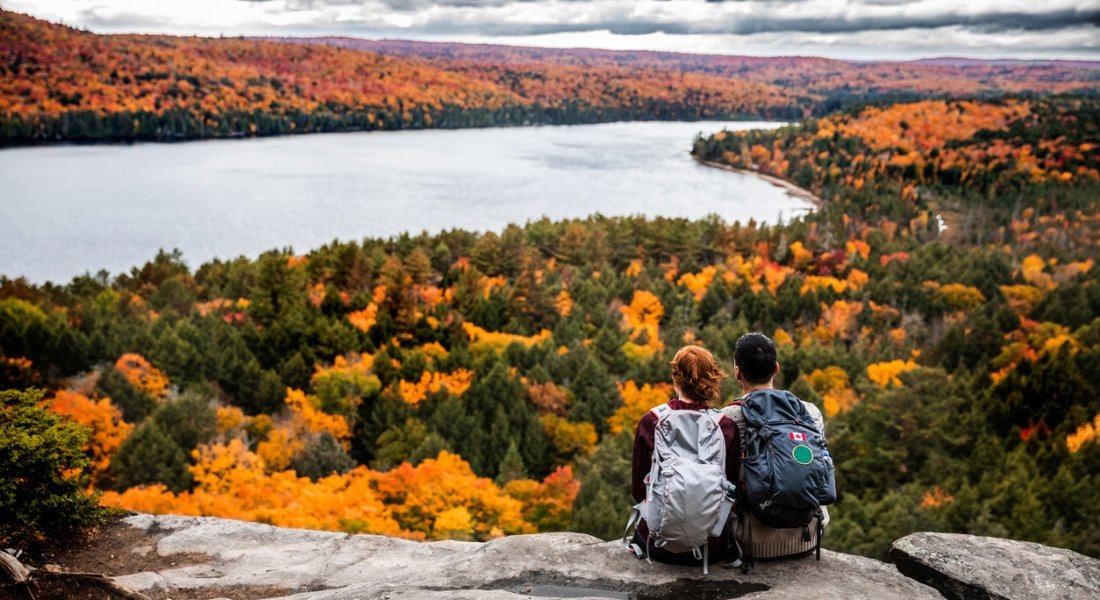
Canoeing is a very popular activity in the fall.
As mentioned earlier, hiking is the top activity to witness the magic of this beautiful season.
Here are some of the top places to enjoy the most spectacular hikes in Quebec during Indian Summer:
- Mont Tremblant Park – Lac Monroe sector (Laurentians)
- Parc du Saguenay – Rivière Éternité sector (Saguenay)
- Hautes-Gorges Park – Acropole trail (Charlevoix)
- Mont Orford Park – Mont Chauve trail (Eastern Townships)Also featured in our top 5 activities not to miss during Indian summer is the seaplane tour. From above, the beauty of the landscapes will seem unreal to you.
Last original idea to enjoy Indian summer in Quebec: a day of pampering at the spa💆♀️.
The best itinerary to enjoy Indian summer in Canada
Lasting 15 days, "Indian Summer" is our classic best-seller. This road trip allows you to explore the most colorful destinations in Canada during fall.
Here is what you can expect on this exceptional itinerary:
Must-see stops:
- Montreal: the ideal starting point to discover Quebec's urban excitement
- Mont-Tremblant: the largest and oldest park in the network, perfect for admiring fall colors
- Bas-Saint-Laurent: the Bic National Park, located in the maritime estuary of the St. Lawrence, which will reveal its headlands, bays, and mountains adorned with breathtaking colors during Indian summer. With its 38 kilometers of marked trails, this coastal-marine park offers stunning views of the river. Take the opportunity to spot seals lounging in the sun near the shoreline and hike the Murailles trail for exceptional panoramas of the estuary.
- Mauricie: endless forests and the possibility of a seaplane flight
- Charlevoix: a region rich in natural treasures with route 362, one of Quebec's most scenic roads
- Quebec: the French-speaking capital with its authentic charm
- Eastern Townships: THE top destination to observe the colors of Indian summer
Highlights of this itinerary:
- 15 days to fully enjoy Quebec's fall
- An itinerary designed to maximize observation of brilliant colors
- The flexibility of a 100% tailor-made road trip
- Support from a local Authentik expert before, during, and after your trip
Practical information:
- Price: from €2,104 / adult + vehicle
- Rating: 4.55/5 (based on 222 customer reviews)
This road trip perfectly combines majestic nature, cultural discoveries, and an authentic experience to offer you unforgettable memories of your trip to Canada during this magical period.
There you go!
In your opinion, is there anything else one should know to properly prepare for a trip to Canada during Indian summer? Do you know of any secret spots to admire the magical colors in Canada?
Feel free to share your thoughts in the comments section below.
FAQ
What is the definition of Indian summer?
Unlike the simple fall colors that transform our forests each year, Indian summer remains an unpredictable climatic event. This blessed period offers you particularly pleasant afternoons to explore our national parks, with their flamboyant autumn robes and kilometers of trails stretching as far as the eye can see.
Why is this period called Indian summer?
When is Indian summer in Canada?


About the author
![Sarah Mazière]()
Sarah Mazière
Travel, nature and road trips are an integral part of my recipe for happiness. I had the chance to travel the country coast to coast on several occasions, so it is with great pleasure that I share my experiences with you! Have a nice trip...

Travel, nature and road trips are an integral part of my recipe for happiness. I had the chance to travel the country coast to coast on several occasions, so it is with great pleasure that I share my experiences with you! Have a nice trip...
 Instagram


Leave a comment
Répondre à: -
delete my replyYour e-mail address will not be shared